
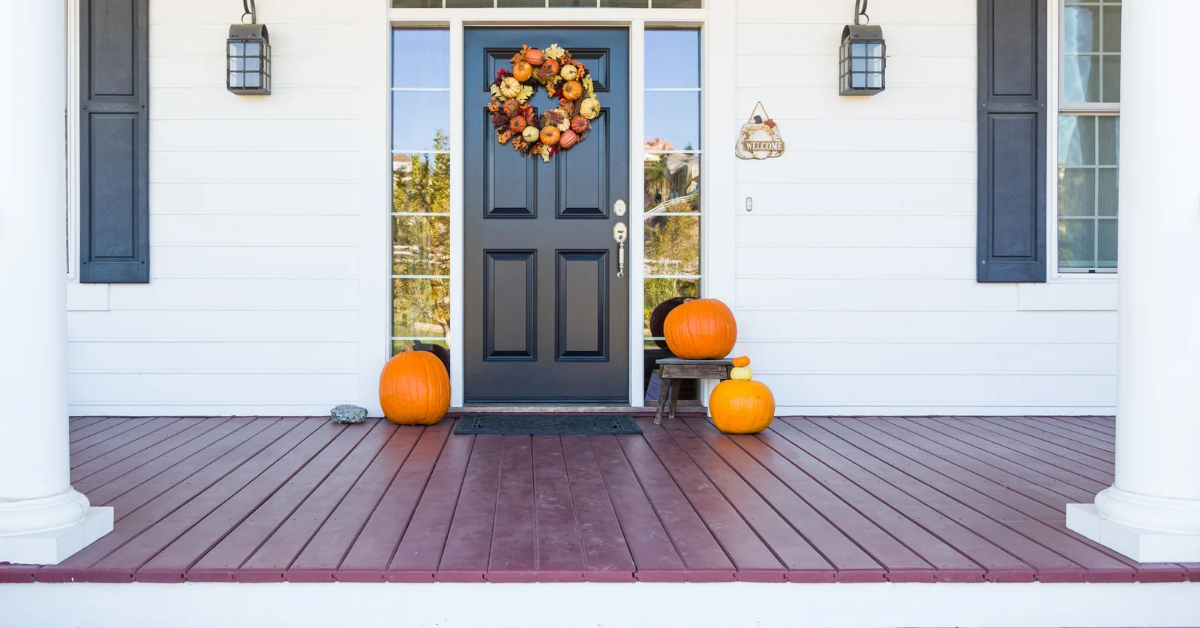
When planning a home renovation or custom build ahead of autumn gatherings, walkway accessibility and exterior illumination become central safety considerations. In Greater Kalamazoo, MI, shorter daylight hours and wet fallen leaves create potential hazards along front entry paths, porches, and driveways.
Designing an exterior lighting plan and entry layout that balances nighttime visibility, architectural accenting, and seasonal foot traffic ensures your home remains safe and welcoming for guests during Halloween and late-fall evening events.
Low-Voltage Pathways vs. Overhead Task Lighting
Illuminating the approach from the driveway or sidewalk to the front door requires a layered lighting strategy. Relying on a single overhead porch fixture often creates harsh shadows and leaves dark zones along steps and walkway bends.
A balanced exterior lighting system incorporates three distinct functional layers:
- Path Lighting: Low-voltage LED fixtures placed 6 to 8 feet apart along walkways cast downward light directly onto walking surfaces without blinding approaching visitors. This is particularly important on autumn nights when leaves mask uneven paving flags or grade changes.
- Step and Riser Illumination: Recessed step lights built into porch risers or retaining wall coping highlight elevation changes, reducing trip hazards for trick-or-treaters and evening visitors.
- Structure and Accent Fixtures: Wall-mounted sconces positioned beside entry doors provide clear task lighting at keyhole height, while warm uplighting on architectural columns or stone veneer provides ambient surround light.
Navigating Zoning Codes and Electrical Standards
Installing low-voltage landscape lighting (12-volt systems) generally carries simpler installation requirements than line-voltage (120-volt) hardwired fixtures. However, all exterior electrical installations in Greater Kalamazoo, MI must comply with the Michigan Residential Code.
Key regulatory and installation considerations include:
- GFCI Protection: All exterior outlets used for seasonal decorations or transformer connections must be Ground Fault Circuit Interrupter (GFCI) protected and feature weatherproof enclosures.
- Underground Conduit Requirements: Direct-burial low-voltage cable must be buried at sufficient depth (typically a minimum of 6 inches), while 120-volt lines require rigid conduit buried 12 to 18 inches deep depending on circuit protection.
- Dark Sky and Municipal Light Pollution Rules: Some local townships, including Richland and Ross Township, maintain land-use guidelines regarding exterior light spillover onto adjacent residential lots. Utilizing full-cutoff fixtures directs illumination downward onto your property lines.
Walkway Materials and Wet-Weather Slip Resistance
Lighting works hand-in-hand with surface materials to keep entryways safe during damp autumn conditions. As oak and maple leaves drop across Southwest Michigan, rain and frost make smooth exterior surfaces surprisingly slick.
When selecting or renovating entry materials, consider slip resistance, durability, and ongoing maintenance:
- Broom-Finished Poured Concrete: Provides high surface traction at a practical price point. Concrete withstands heavy freeze-thaw cycles when sealed properly against water absorption.
- Textured Concrete Pavers: Interlocking pavers with textured surfaces offer superior slip resistance and allow surface water to drain through joints, reducing standing puddles. This option cost smore than poured concrete and typically has higher maintenance requirements.
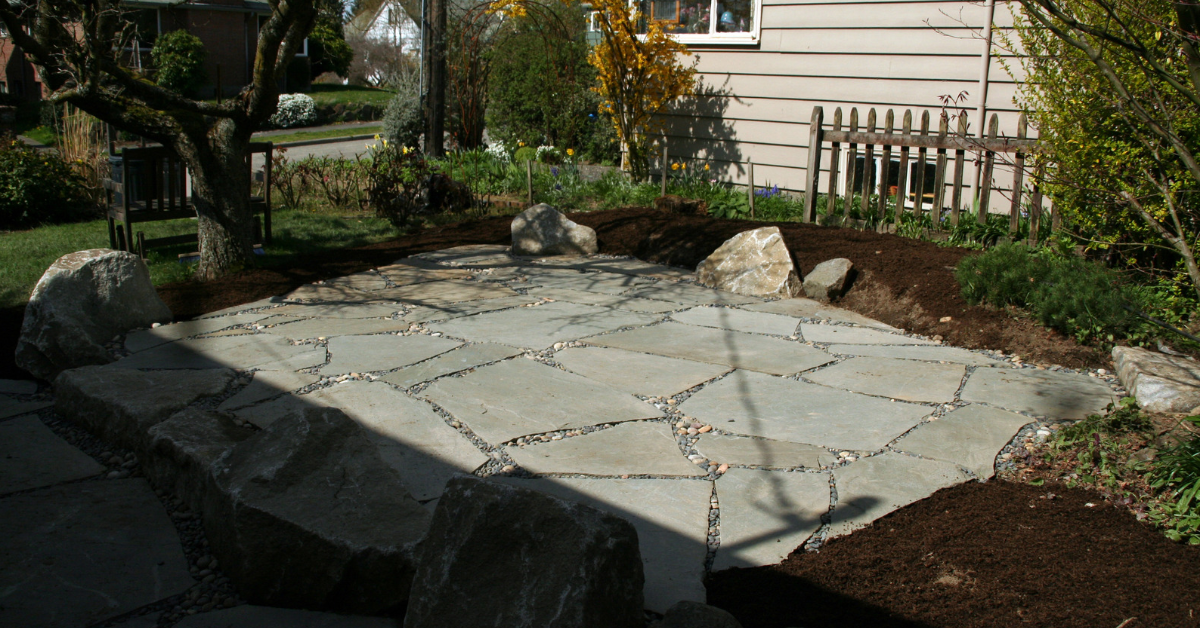
- Natural Flagstone and Stone Veneer: Flagstone creates visually rich entry steps, but smooth-honed finishes become slippery when wet or icy. Selecting thermal-finished or cleft-faced stone maintains surface texture during wet weather. This option is low maintenance but typically costs 2-5% more than poured concrete.

Questions to Ask When Planning Entryway Renovations
Before updating your front entry or landscape lighting layout, discuss these practical questions with your project manager:
1. What electrical circuit capacity exists near the front entry, and will a dedicated exterior circuit be necessary?
2. How will drainage be directed away from the foundation?
3. Which light fixtures offer serviceable LED components rather than sealed units that require complete fixture replacement when lamps burn out?
By combining anti-slip walkway surfaces with properly positioned low-voltage illumination, you create a functional, secure entrance that comfortably accommodates autumn trick-or-treaters and holiday guests alike.